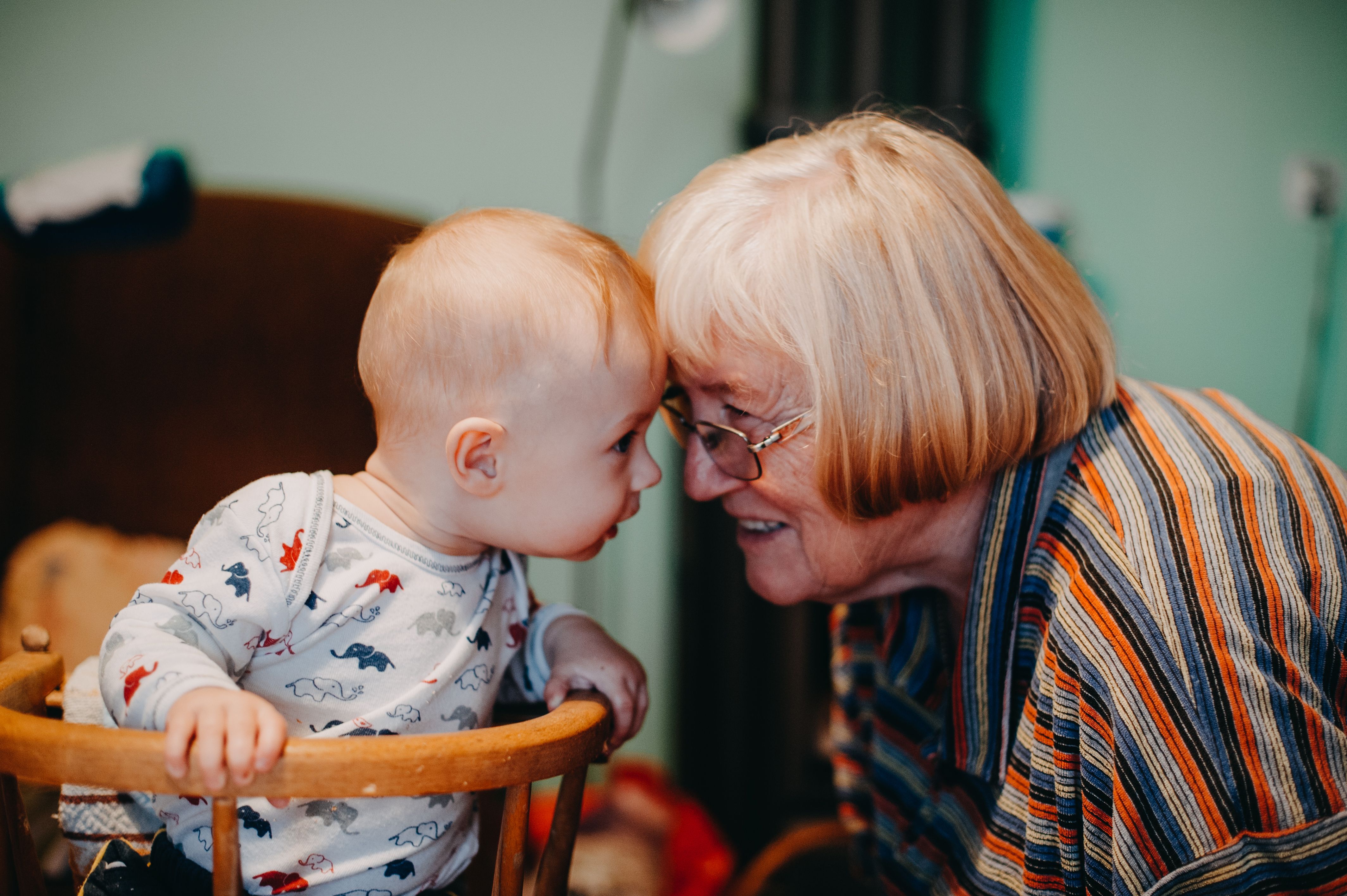
Across the United States, kinship care has become increasingly common. More than 2.5 million grandparents are raising their grandchildren, often stepping in under challenging circumstances to provide a stable family environment.
When a child can't stay with their guardians, staying within their family is the next best thing. Research shows that kinship care leads to better outcomes for children, and it's not hard to understand why.
Kinship caregivers step into one of the most important roles a person can take on, often overnight, and often without a roadmap. The good news? You don't have to figure it out alone.
Not all kinship care looks the same, and understanding the difference can help you know what support is available to you.
Informal Kinship Care happens when a family makes private caregiving arrangements without involving the child welfare system. The child is not in the legal custody of Children and Youth Services (CYS), and occurs whenever a guardian cannot care for their child right now, and a grandparent, aunt, uncle, or close family friend steps in.
This kind of care has existed for generations. It happens quietly, out of love. If this sounds like your situation, you are not alone, and there are still resources available to you.
Formal Kinship Care occurs when a child is in the legal custody of the state and is placed with a relative or someone who already has a meaningful relationship with the child. In these cases, Children and Youth Services is involved, and the kinship caregiver goes through an approval process similar to traditional foster care.
While licensing isn't always required, becoming a licensed kinship foster caregiver opens the door to critical support, including financial assistance, caregiver training, counseling, and respite care.
If a placing agency identifies your home as the right fit for a child, they may submit a referral to LifeSpan to complete the approval and licensure process. From there, we walk with you every step of the way.
We know that kinship licensing can feel overwhelming, so we work to remove as many barriers as possible. LifeSpan offers reimbursements for required clearances, and well water testing. We also offer assistance with safety requirements such as smoke detectors, fire extinguishers, and first aid supplies. In addition to this, we will assist with obtaining cribs, car seats, and other essentials upon request.
Kinship caregivers are doing some of the hardest, most selfless work in child welfare, and most of them are doing it without recognition, without adequate resources, and without anyone telling them they're doing a good job.
So let us say it clearly: what you are doing matters. The stability you provide, the love you give, the sacrifices you make, they all matter and they change the trajectory of a child's life.
If you're raising a relative's child and need support, we want to hear from you. No pressure. No commitment. Just an honest conversation about what's available to you.
.png)